Markeli, the Frontier Fortress near Karnobat
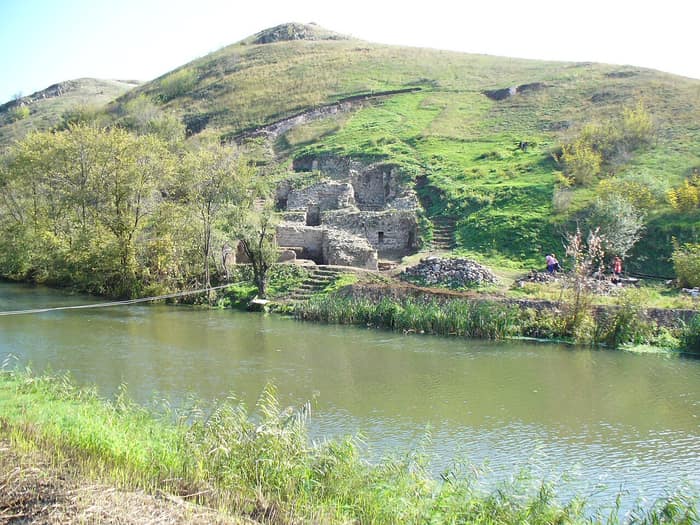
Markeli is the ruin of a Late Antique and medieval fortress about 7.5 km from the town of Karnobat in southeastern Bulgaria. It guarded the road to the early Bulgarian capital Pliska and saw two famous battles between Byzantines and Bulgarians. Huge earthworks, the foundations of churches and a well tower by the river make it a fine hidden-gem stop for history lovers.
In 792 the Bulgarians won a battle here so completely that they captured the Byzantine emperor's own tent, treasury and horses. Today only grassy ramparts and church ruins remain.
The history of Markeli
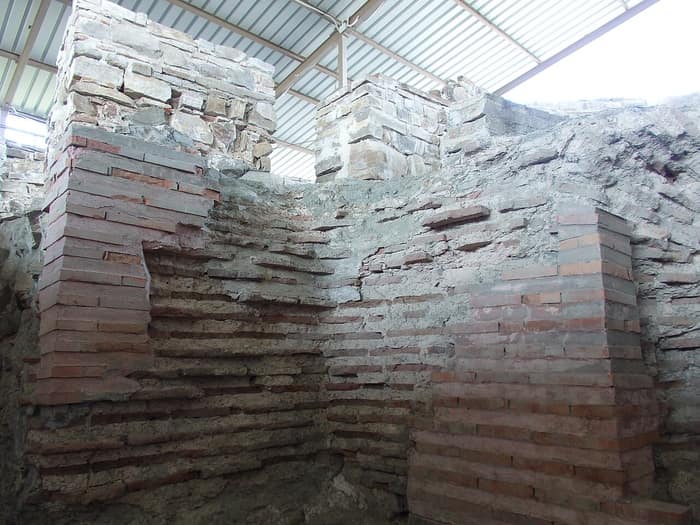
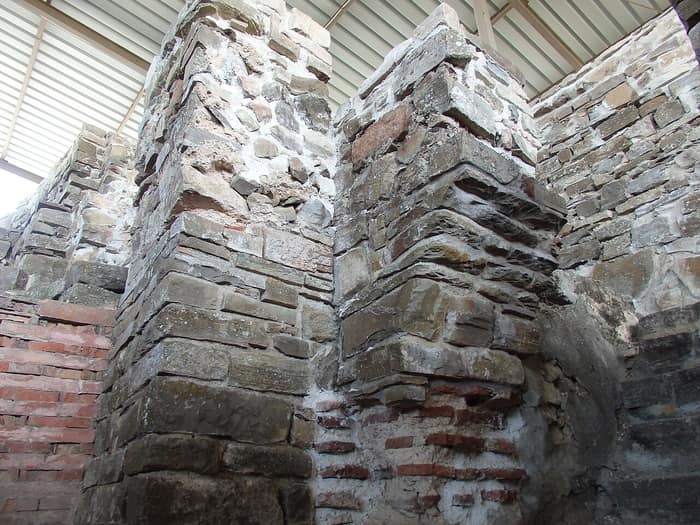
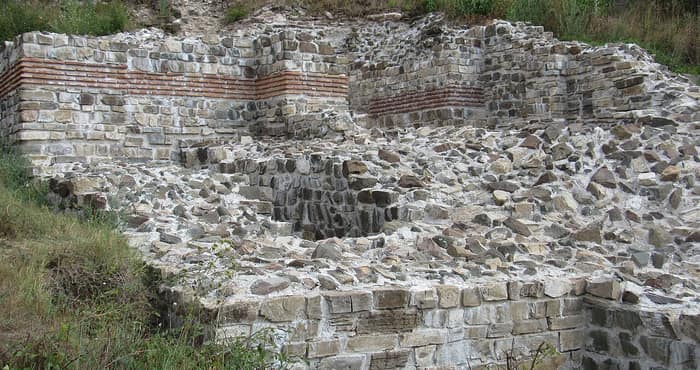
Markeli lies just south of the Balkan Mountains, on the western tip of the Hisar Heights, where the Mochuritsa river, a tributary of the Tundzha, leaves the Karnobat Valley. People lived here long before any fortress was built: prehistoric and Iron Age settlements and Roman burial mounds have been recorded around it. The stronghold itself dates to Late Antiquity, the early Byzantine period. Its walls were made of crushed stone with bands of brick, and researchers attribute them to the reign of either Anastasius I (491–518) or Justinian I (527–565). The ramparts stood up to 10 metres high, with ditches more than 3 metres deep in front of them.
The place became a major strategic point in the late seventh century, when the rise of the First Bulgarian Empire turned it into a frontier fortress guarding the Rish and Varbitsa mountain passes. It was the starting point of a chain of Bulgarian fortifications along the road across the mountains to the early medieval capital Pliska. Control passed back and forth between Bulgarians and Byzantines, who each used it as a launching point for campaigns. It first came under Bulgarian rule in 705, when Justinian II ceded it together with the whole region of Zagore.
Two battles made the name famous. In 756 the Byzantine emperor Constantine V marched into Thrace and met the Bulgarians at Markeli, then a border fortress. The Byzantines won, and the Bulgarian ruler Vineh had to send hostages to Constantinople to prevent a further invasion. In 792 the fortress was again at the centre of a major conflict, and this time the Byzantines suffered a heavy blow after strategic errors: the Bulgarians killed some of the personal servants of Constantine VI and several eminent generals, and captured the emperor's tent, treasury and horses. In 811 the army of Nikephoros I set out from Markeli on its ill-fated invasion of Bulgaria, in which the emperor lost his life.
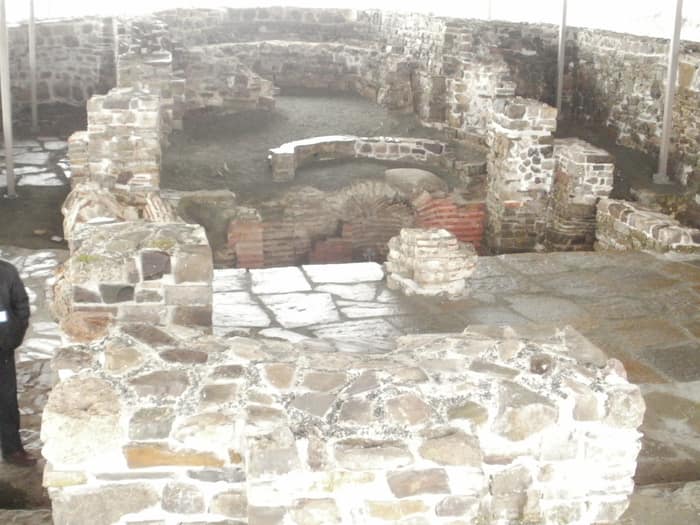
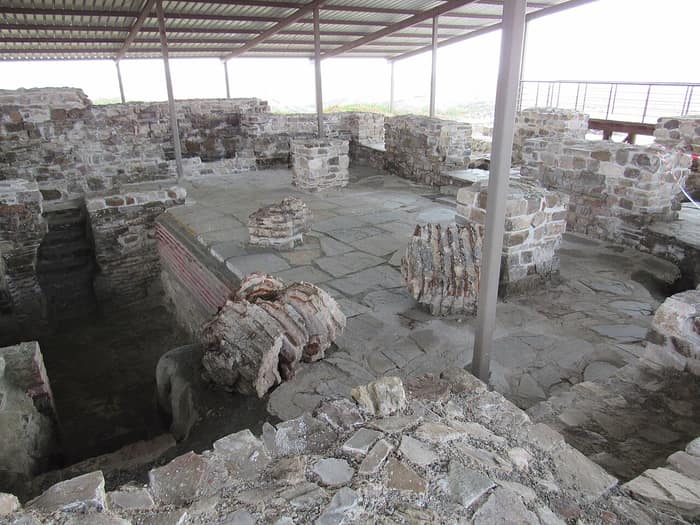
The Byzantine writer Anna Komnene records that in 1089 her father Alexios I Komnenos negotiated and clashed with Pechenegs and Cumans who had pitched their tents at Markeli. The fortress stayed manned and inhabited until some time in the twelfth century, and Bulgarian and German sources suggest it was probably destroyed in the Cuman attack on the Byzantine Empire in 1090. The church area in the high north-eastern corner has several layers: a martyrium of about 3.8 by 4 metres from the end of the fourth century, a large three-aisled basilica built after the martyrium was partly destroyed in the second quarter of the sixth century, and, after the basilica fell in the seventh or eighth century, a smaller cross-domed church in the ninth.
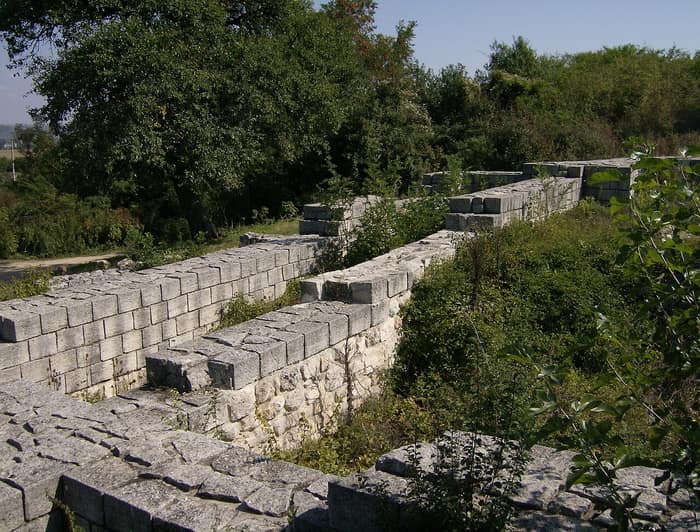
Archaeological research has been under way since 1986. Visitors today find the huge earthworks of the First Bulgarian Empire, the ruins of the basilica and the remains of a well tower beside the river, with an ancient bridge and an underground passage nearby. A Russian survey map made after 1877 marks the ruins as “Cherkez-köy”.
Curious facts about Markeli
- The fortress is known in Greek as Markellai and in Latin as Marcellae, and German sources use the Latin form.
- After the battle of 792 the Bulgarians took the Byzantine emperor's tent, treasury and horses as booty.
- The earthen ramparts are so large that, seen from the foot of the fortress, they first look like natural hills; the hollows between them mark where the soil was dug out.
- The well tower stands exactly opposite the only stretch of the river nearby with a shallow, rocky bed, free of silt and marsh.
- The church area has three phases on the same spot: a fourth-century martyrium, a sixth-century basilica and a ninth-century cross-domed church.
- A cape on Smith Island in Antarctica is named Markeli in honour of the medieval fortress.
Tours near Markeli
Experiences in the area that you can book online with Viator:


Visiting Markeli: what to expect
- The ruins lie about 7.5 km from Karnobat, beside the Mochuritsa river; ask locally for the best approach.
- Look for the huge ramparts and ditches, the ruins of the church complex in the high north-eastern part, and the well tower near the river.
- The site is a low-key archaeological area rather than a polished attraction, so wear sturdy shoes and expect uneven ground.
- Facilities, signs and access conditions are not described in the sources; check the current situation before you go.
- The history museum in Karnobat provided part of the material used in the published descriptions of the fortress.
Opening hours, access and conditions can change. Check before you go.
Map: where Markeli is
Photos of Markeli
Questions
What is Markeli?
Markeli is a ruined Late Antique and medieval fortress in Karnobat Municipality, southeastern Bulgaria. It was a frontier stronghold between the Byzantine and the First Bulgarian Empire.
Where is Markeli and how far is it from Karnobat?
The ruins lie about 7.5 km from the town of Karnobat in Burgas Province, near the Mochuritsa river.
What happened at Markeli in 756 and 792?
In 756 the Byzantines under Constantine V defeated the Bulgarians here. In 792 the Bulgarians under Kardam beat Constantine VI and captured his tent, treasury and horses.
How old is the fortress?
It was built in Late Antiquity, probably under Anastasius I or Justinian I, in the late fifth to mid-sixth century. It was held until some time in the twelfth century.
What can you see at Markeli today?
Remains of the ramparts and ditches, the ruins of early Christian churches in the north-eastern part and a well tower by the river.
Is Markeli worth a detour?
For history and archaeology fans, yes. It is a quiet site with a dramatic past on the old route to Pliska, but it is not a polished visitor attraction.
Also nearby
Cabyle
Yambol · Thracian city, Roman camp and archaeological reserve
35 km away

Develtos
Debelt, Burgas · Roman colony turned Byzantine-Bulgarian border
42 km away
Round Church, Preslav
Preslav · ruined Golden Church with a plan unique in Bulgaria
57 km away
Palace of Omurtag
Han Krum · khan's fortress on top of Gothic churches
61 km away