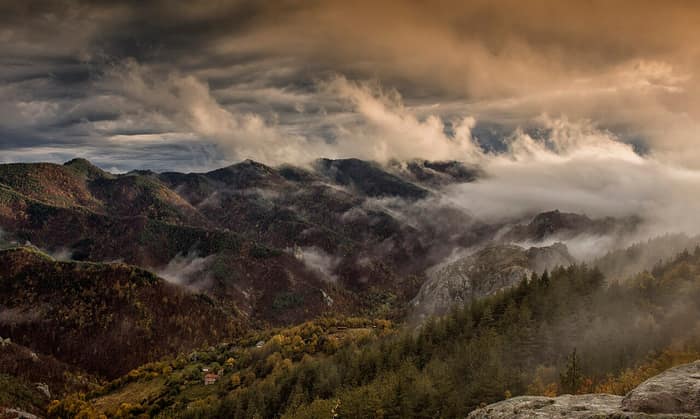
Belintash, the Mysterious Rock Sanctuary of the Rhodopes
Belintash is a small rock plateau high in the Rhodope Mountains, in Asenovgrad Municipality, Plovdiv Province, about 30 km south-east of Asenovgrad. Its upper platform is covered with carved round holes, channels, niches and steps, and it is assumed to be an ancient cult site. Bulgarian sources describe it as the second largest rock-cut sanctuary in the country after Perperikon.
Hundreds of round holes, steps and basins are carved into this mountain plateau, and nobody can say for sure what they were for. Some see a sanctuary, others a prehistoric observatory.
The history of Belintash
Belintash is a rocky plateau about 1,225 metres above sea level on the Dobrostan ridge in the central Rhodopes. The rock platform is roughly 300 metres long and covers about 5,000 square metres. On its upper part, ancient hands cut hundreds of round holes, channels, niches and steps, together with two large basins, often called cisterns, which are said never to dry up, even on the hottest days. Its exact purpose is still not fully understood, and every theory about it remains a hypothesis.
The first archaeological study took place in 1975, led by Bulgarian archaeologists from the Historical Museum of Asenovgrad. In the 1980s a team of archaeo-astronomers made the place famous, proposing that the plateau served both as a sanctuary and as a solar observatory tied to farming and religious needs. That idea has been criticised: the astronomer Nikolay Dermendzhiev pointed out that, because the platform is so long, the observing point cannot be fixed unambiguously.
In 2003 the archaeologist Ivan Hristov carried out limited test digs and found mainly pottery of the Iron Age, which he dated to the seventh and sixth centuries BCE. Among the rocks a silver votive plate showing Dionysus-Sabazius had been found earlier, and it is now kept at the National Institute of Archaeology with Museum in Sofia. Some writers link the sanctuary with the god Sabazios and with the Thracian tribe of the Bessi, but this remains a supposition.
Regular excavations resumed in 2010 under Dr Borislav Borislavov of the National Institute of Archaeology. His team reported that the sanctuary goes back to about 5000 BCE, the Chalcolithic period, and found fragments of hearth-altars where wine, milk and the blood of sacrifices were poured. Other scholars connect Belintash with the Chalcolithic temple complex near the village of Dolnoslav, and call it a sacred place some 7,000 years old. The team found no Hellenistic or Roman material, and so suggested that Belintash may not be the Dionysus sanctuary that researchers still look for in the Rhodopes.
In 2011 the archaeologists uncovered the remains of a wall that once cut across the plateau, probably fencing off its most sacred part, and the site of a massive gate. Borislavov believes that rock falls at the foot of the altar were not natural but caused on purpose during a military invasion. Excavation and research continue, with both Bulgarian and international teams.
Curious facts about Belintash
- The name means “White Stone”: the Bulgarian word for white combined with the Turkish word taş, meaning stone.
- A local legend tells of a Bulgarian girl who leaped from the cliffs to escape pursuers; her long white shirt caught on a rock spur, and the place was named after her.
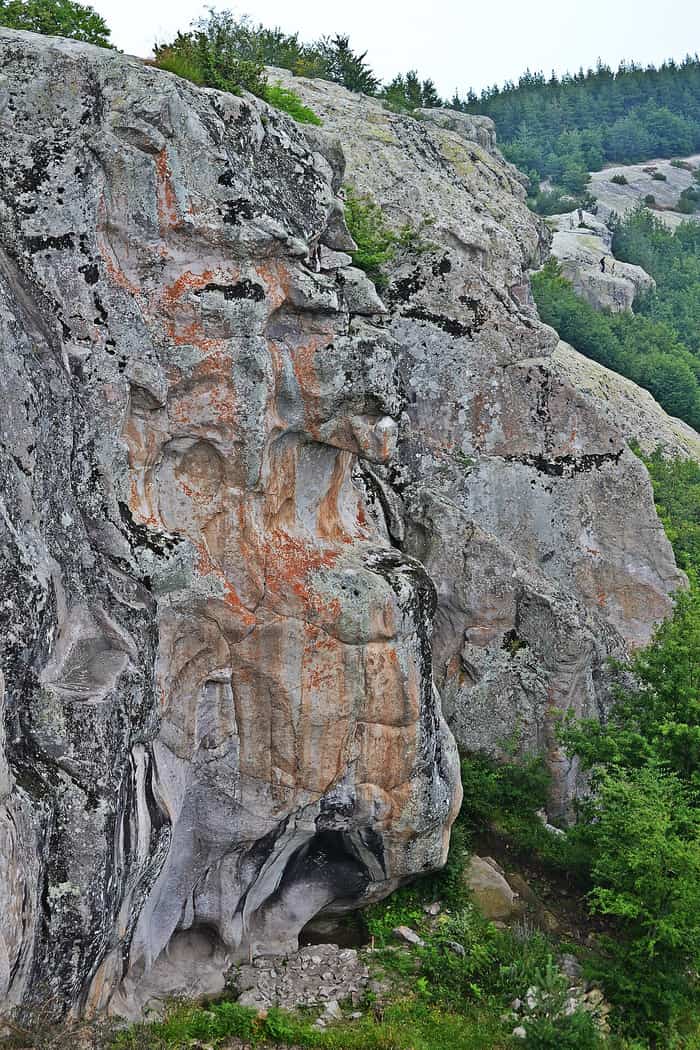
- Seen from the north in the right sunlight, the rocks at the base of the plateau are said to form the shape of a giant lion lying on its belly.
- In 2006 some Bulgarian media claimed that tourists had found a carved “Inscription of Belintash”, which some theorists read as proof of a Thracian alphabet; archaeologists have neither confirmed nor denied its authenticity.
- Both Belintash and the Chalcolithic temple complex near Dolnoslav lie within a strong magnetic anomaly.
- The massif is a resting place for large birds of prey and rare protected species such as the red-rumped swallow, the lesser kestrel and the alpine swift.
Tours near Belintash
Experiences in the area that you can book online with Viator:

The mystical Belintash, Bachkovo Monastery and Asen's Fortress
See details ›
Food Walk: Bulgarian Food and Culture Tour in Plovdiv
See details ›
Plovdiv, Asen's Fortress and Bachkovo Monastery small group tour with pickup
See details ›
E-Motorcycle Tour in Rhodope Mountains to a Beautiful Canyon View
See details ›Visiting Belintash: what to expect
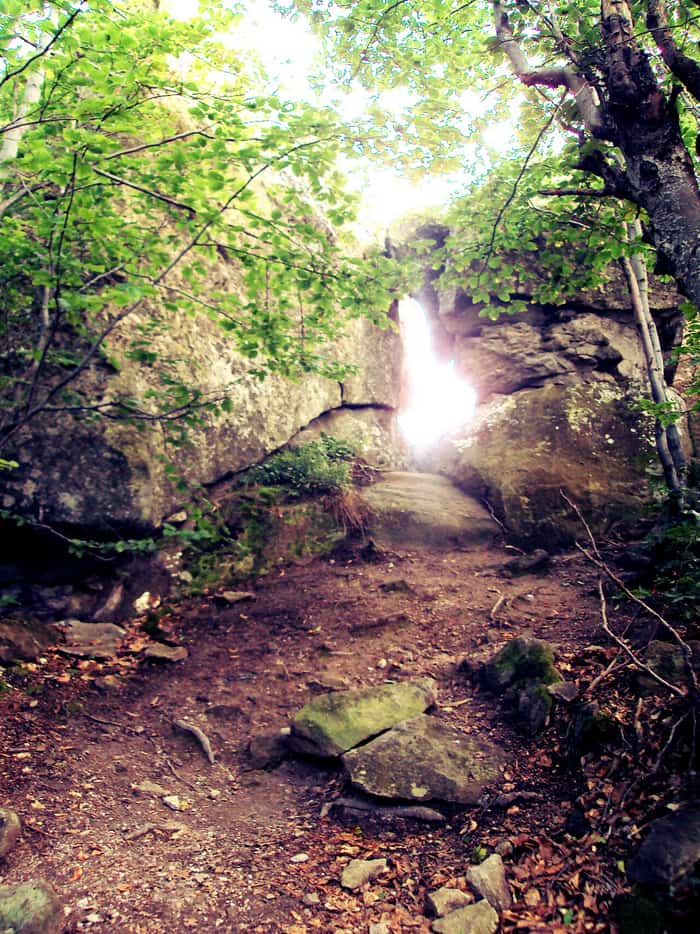
- The plateau is a rocky mountain site, about 300 metres long. The way to its central part passes huge rock formations that were either carved or reshaped by human hands.
- Look for the round holes, steps, niches and the two large basins on the upper platform, and for the rock seats cut beside them.
- The site lies about 3 km south of the village of Vrata and 3 km south-west of Sini Vrah, with other rock sanctuaries such as Pitvoto, In Kaya and Karadzhov Kamuk around it.
- The sources give no details about paths, parking or visiting conditions, so check local information before you set out.
- Other places of this guide nearby include Bachkovo Monastery (about 14 km), Asen's Fortress (about 17 km), Arapovo Monastery (about 18 km) and the Devil's Bridge (about 28 km).
Opening hours, access and conditions can change. Check before you go.
Map: where Belintash is
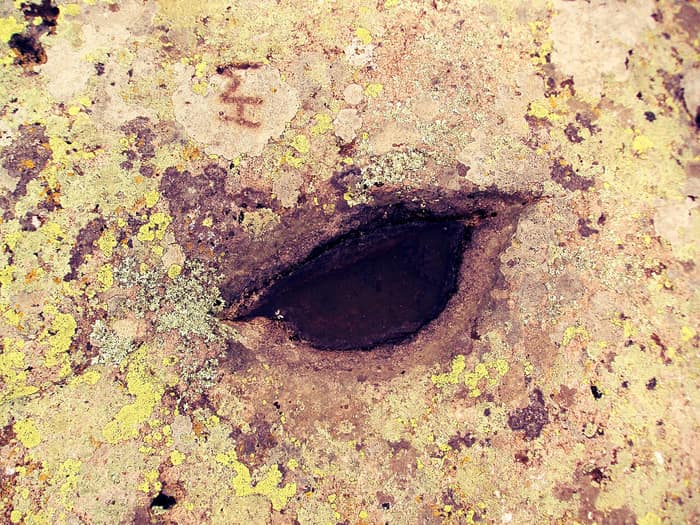
Photos of Belintash

Questions
What is Belintash?
Belintash is a small rock plateau in the Rhodope Mountains with carved holes, steps, niches and basins. It is assumed to be an ancient cult site, though its exact purpose is still not fully understood.
Where is Belintash and how far is it from Asenovgrad?
It lies in Asenovgrad Municipality, Plovdiv Province, about 30 km south-east of Asenovgrad, roughly 3 km south of the village of Vrata.
How old is Belintash?
Researchers believe the rock was used for cult purposes as early as the fifth millennium BCE, in the Chalcolithic. Iron Age pottery has also been found, so use seems to have continued for a long time.
Was Belintash a Thracian sanctuary of Sabazios?
Some researchers think the sanctuary was dedicated to Sabazios and run by the Thracian Bessi, but this is only a hypothesis. The 2010 excavations found no Hellenistic or Roman material.
What does the name Belintash mean?
It means “White Stone”, from the Bulgarian word for white and the Turkish word taş, meaning stone. Local legends offer other explanations.
What else is worth seeing near Belintash?
Bachkovo Monastery is about 14 km away and Asen's Fortress about 17 km. Several other rock sanctuaries, such as Pitvoto and Karadzhov Kamuk, lie in the same part of the Rhodopes.
Also nearby
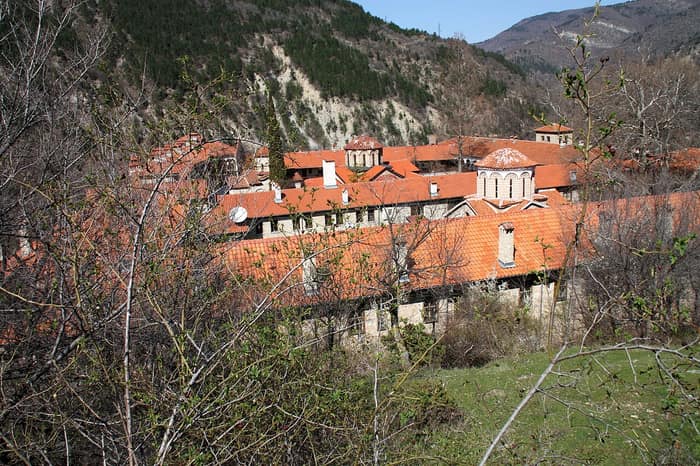
Bachkovo Monastery
Asenovgrad · Georgian-founded monastery with a 12th-century ossuary
14 km away
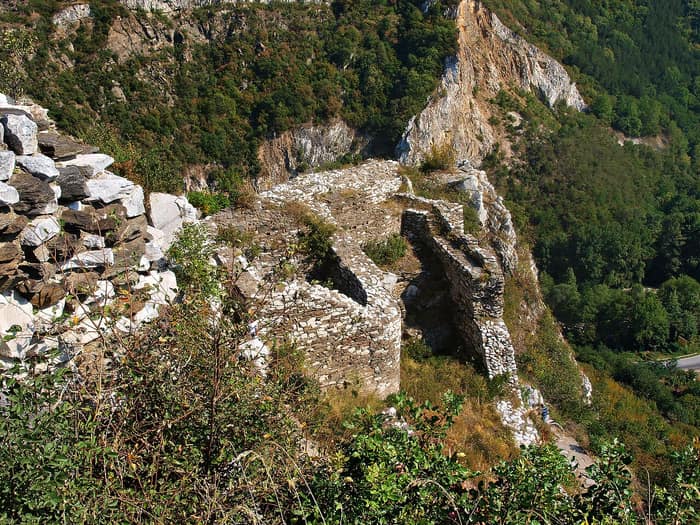
Asen's Fortress
Asenovgrad · rocky-ridge fortress with a medieval church
17 km away
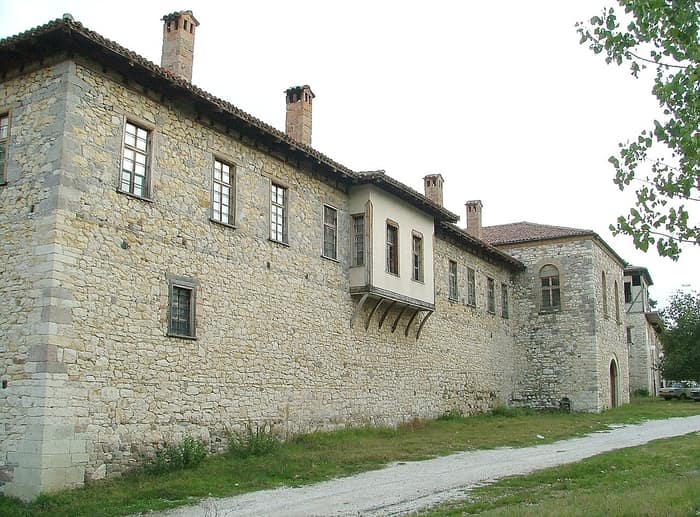
Arapovo Monastery
Asenovgrad · fortress-like monastery with a holy spring and tower
18 km away
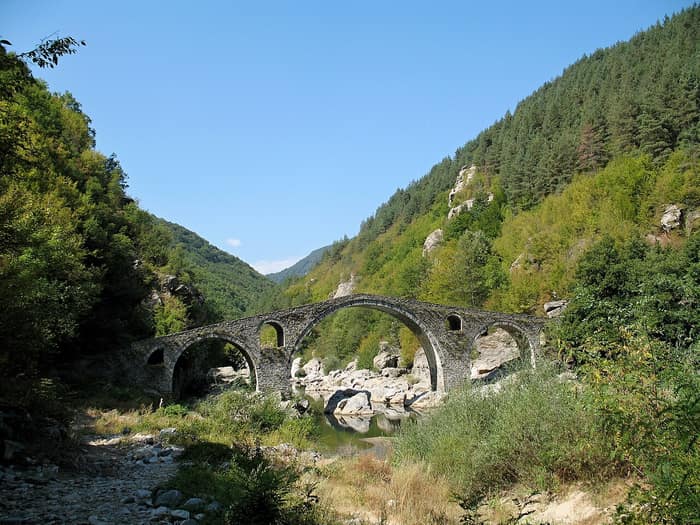
Dyavolski Most (Devil's Bridge)
Ardino · stone bridge in a gorge and a deal with the Devil
28 km away