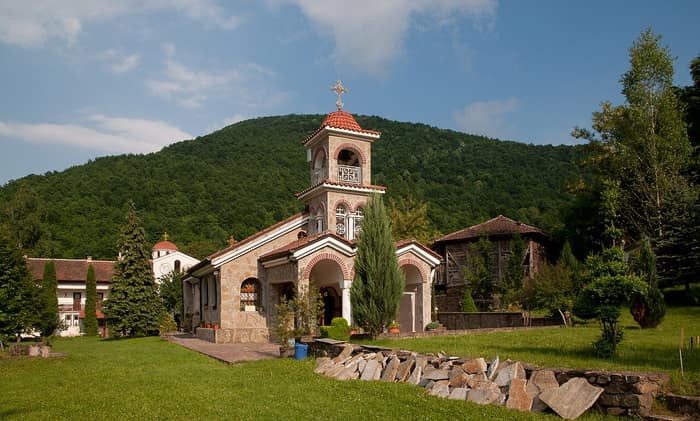
Vrachesh Monastery, the Holy Forty Martyrs Retreat in the Balkan Mountains
Vrachesh Monastery of the Holy Forty Martyrs is an active monastery of the Bulgarian Orthodox Church in the western Balkan Mountains, 5 km west of the village of Vrachesh and about 10 km from Botevgrad. Founded in the 13th century, burned twice and revived in 1891, it is a quiet detour with a holy spring and a medieval fortress ruin on the hill above.
This monastery honours the Holy Forty Martyrs because Tsar Ivan Asen II won the battle of Klokotnitsa on their feast day in 1230, and he ordered many churches and monasteries built in their name.
The history of Vrachesh Monastery
The story begins in the 13th century, under the Second Bulgarian Empire. In 1230 Emperor Ivan Asen II defeated the Epirote despot Theodore Komnenos Doukas at the battle of Klokotnitsa, an important Bulgarian victory. The battle was fought on the day of the Holy Forty Martyrs, and the grateful emperor ordered many churches and monasteries to be built in their name. Vrachesh Monastery was founded after that victory and carries the same dedication, which is why it is known as the monastery of the Holy Forty Martyrs of Sebaste.
At first it was a monks' community, and the brothers busied themselves copying and distributing liturgical books. In the 17th century a cell school was working here, a sign that the monastery served as a small centre of learning as well as of prayer. The Ottomans burned it twice, in the 15th and in the 18th century, and after the second fire the place sank into oblivion that lasted until 1890.
In 1891 the monastic life was brought back. Vuno Markov, regarded as the most famous master builder of the Botevgrad area, raised a modest church on the old foundations. The monastery began again as a community of monks, but from 1937 it also took in nuns, the first of whom was Cassiana. Today it is an active convent in the Lovech Diocese of the Bulgarian Orthodox Church, and it has been declared a monument of culture.
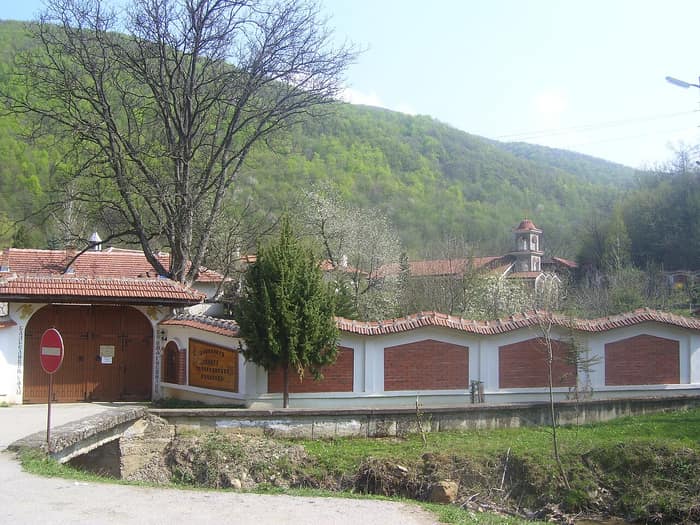
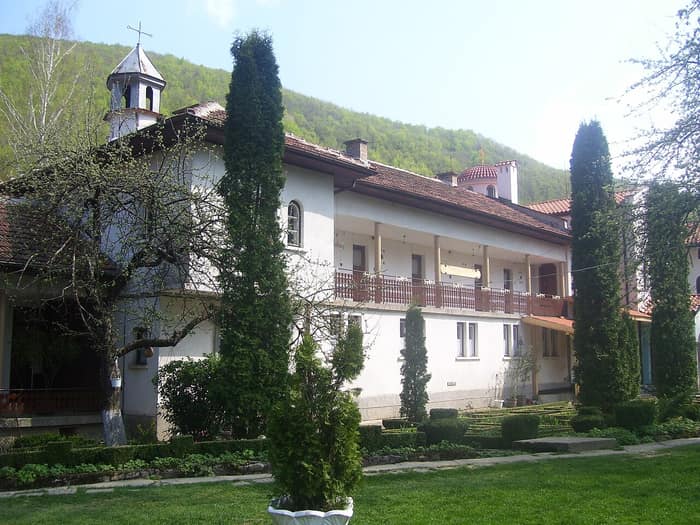
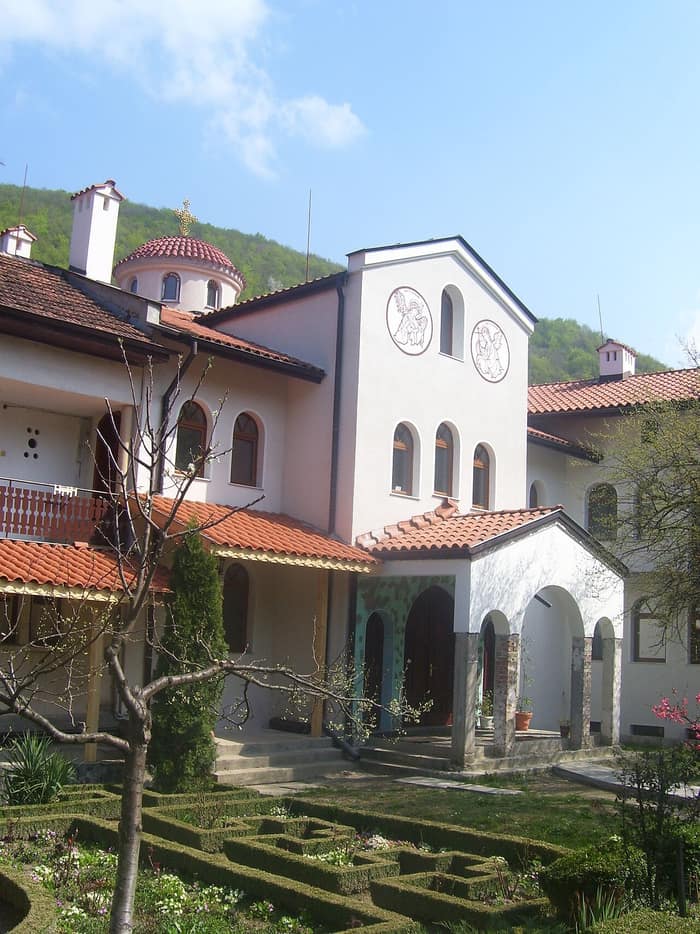
The complex combines a church with residential and farm buildings. The monastery church has a single nave and a single apse and no dome; it has an inner narthex and an open one, above which a bell tower rises. In one of the residential buildings a chapel was later built and dedicated to the Bulgarian saint Clement of Ohrid. A little way off, on the right bank of the river, stands the monastery's holy spring. Above the monastery a steep hill rises, and on it lie the remains of the Gradishte fortress, also known as Cheskovgrad.
Curious facts about Vrachesh Monastery
- The monastery's dedication goes back to a battle: Klokotnitsa in 1230 was fought on the day of the Holy Forty Martyrs, so the victorious emperor had churches and monasteries built in their honour.
- In the 17th century the monks ran a cell school, and for a long time they copied and distributed liturgical books.
- The monastery was burned twice by the Ottomans, in the 15th and the 18th century, and then lay forgotten until 1890.
- The modest church of 1891 was built on the old foundations by Vuno Markov, said to be the best-known master builder of the Botevgrad area.
- A monks' community at first, the monastery began accepting nuns in 1937; the first of them was Cassiana.
- On the steep hill above the monastery are the remains of the Gradishte fortress, also called Cheskovgrad.
Tours near Vrachesh Monastery
Experiences in the area that you can book online with Viator:


Visiting Vrachesh Monastery: what to expect
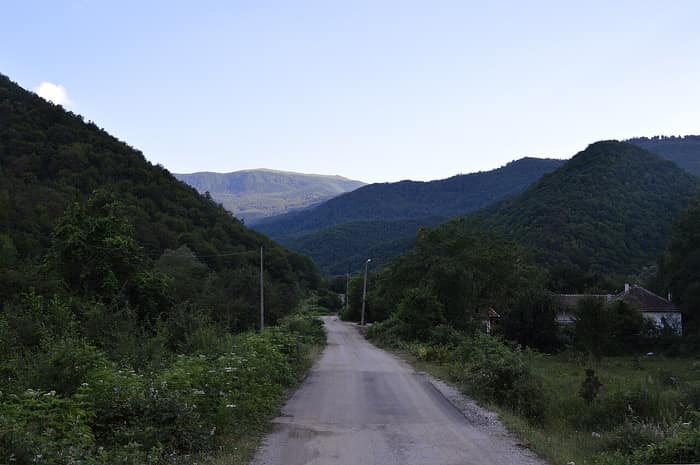
- The monastery lies 5 km west of Vrachesh village and about 10 km from Botevgrad, in the western part of the Balkan Mountains.
- Look for the single-nave church with its two narthexes and bell tower, and for the chapel of St Clement of Ohrid in one of the residential buildings.
- The monastic holy spring is close by, on the right bank of the river.
- The hill above carries the remains of the Gradishte fortress (Cheskovgrad); the sources do not describe a marked path, so ask locally before heading up.
- This is a working monastery, so a quiet and respectful visit is appropriate; check the current opening hours and visiting conditions before you go.
Opening hours, access and conditions can change. Check before you go.
Map: where Vrachesh Monastery is
Photos of Vrachesh Monastery
Questions
What is Vrachesh Monastery?
Vrachesh Monastery of the Holy Forty Martyrs is an active monastery of the Bulgarian Orthodox Church in the Lovech Diocese. It was founded in the 13th century and is declared a monument of culture.
Where is Vrachesh Monastery and how far is it from Botevgrad?
It lies in the western Balkan Mountains, 5 km west of the village of Vrachesh and about 10 km from the town of Botevgrad.
Why is Vrachesh Monastery dedicated to the Holy Forty Martyrs?
Tsar Ivan Asen II won the battle of Klokotnitsa in 1230 on the day of the Holy Forty Martyrs. He then ordered many churches and monasteries to be built in their name, and Vrachesh was founded after that victory.
Is Vrachesh Monastery still active?
Yes. After a long period of neglect, monastic life was restored in 1891, and since 1937 nuns have lived here. It is active today.
Are there any ruins near Vrachesh Monastery?
Yes. The steep hill above the monastery carries the remains of the Gradishte fortress, also known as Cheskovgrad.
What else is worth seeing near Vrachesh Monastery?
The Hristo Botev Monument lies about 8 km away and Bozhenishki Urvich about 16 km, both also covered on this site. The monastery's own holy spring is close by.
Also nearby
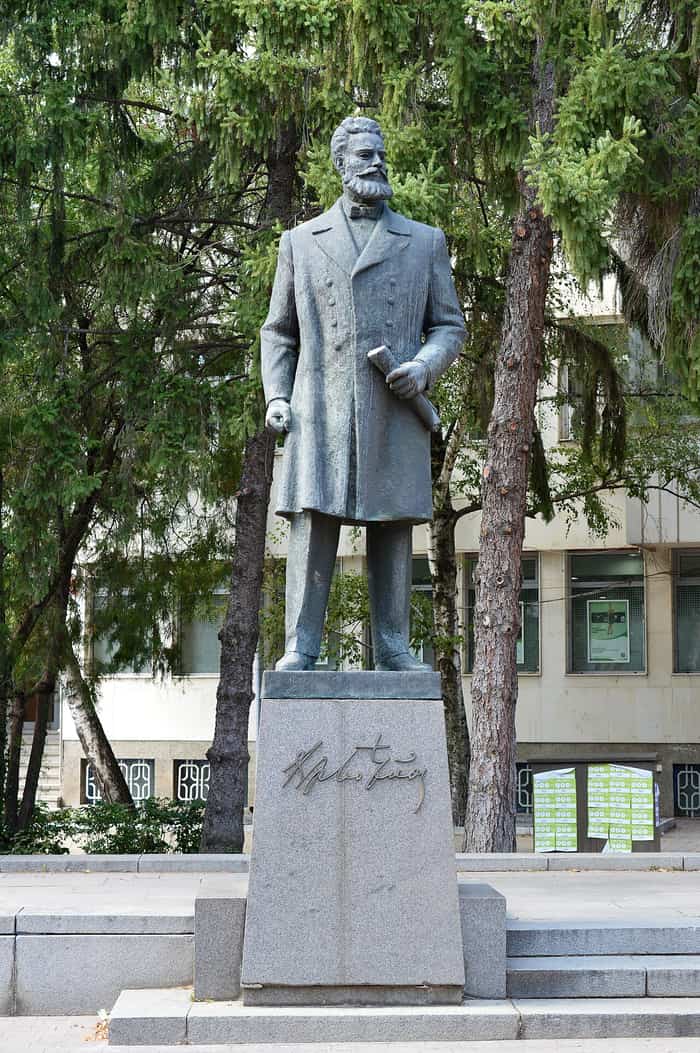
Hristo Botev Monument
Botevgrad · 1966 bronze statue of the poet-revolutionary
8 km away
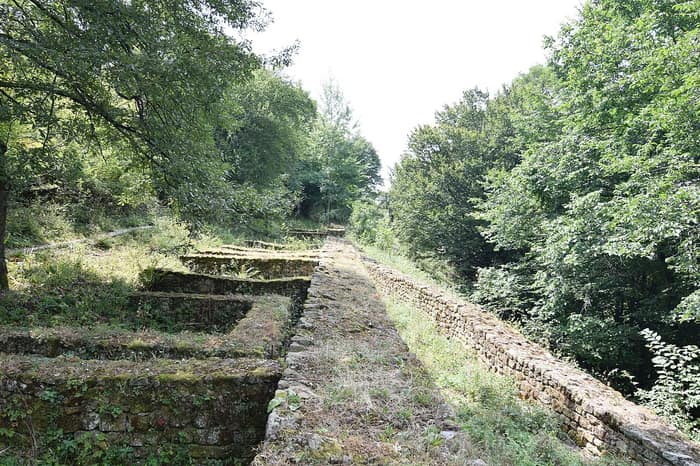
Bozhenishki Urvich
Botevgrad · mountain fortress and a medieval stone inscription
16 km away
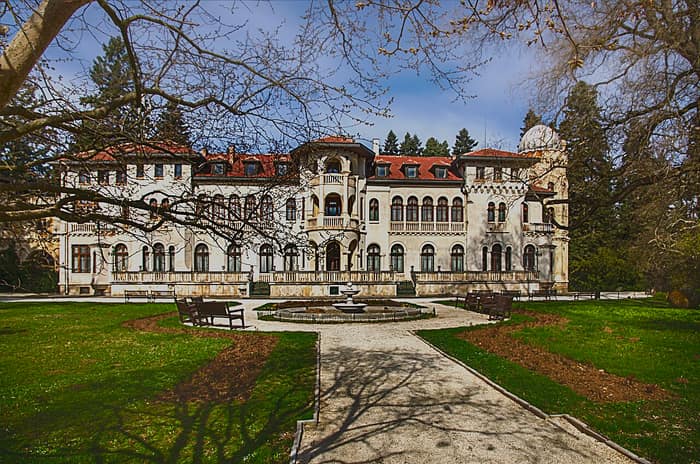
Vrana Palace
Sofia · royal palace, hunting lodge and landscape park
35 km away
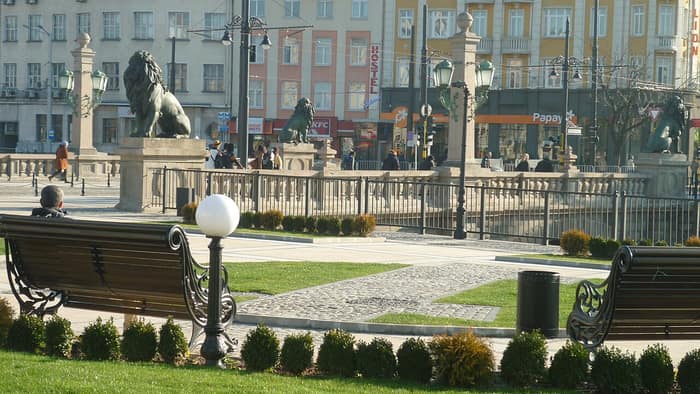
Lions' Bridge
Sofia · 1891 bridge guarded by four bronze lions
37 km away