Hristo Botev Monument, the Bronze Poet-Revolutionary of Botevgrad
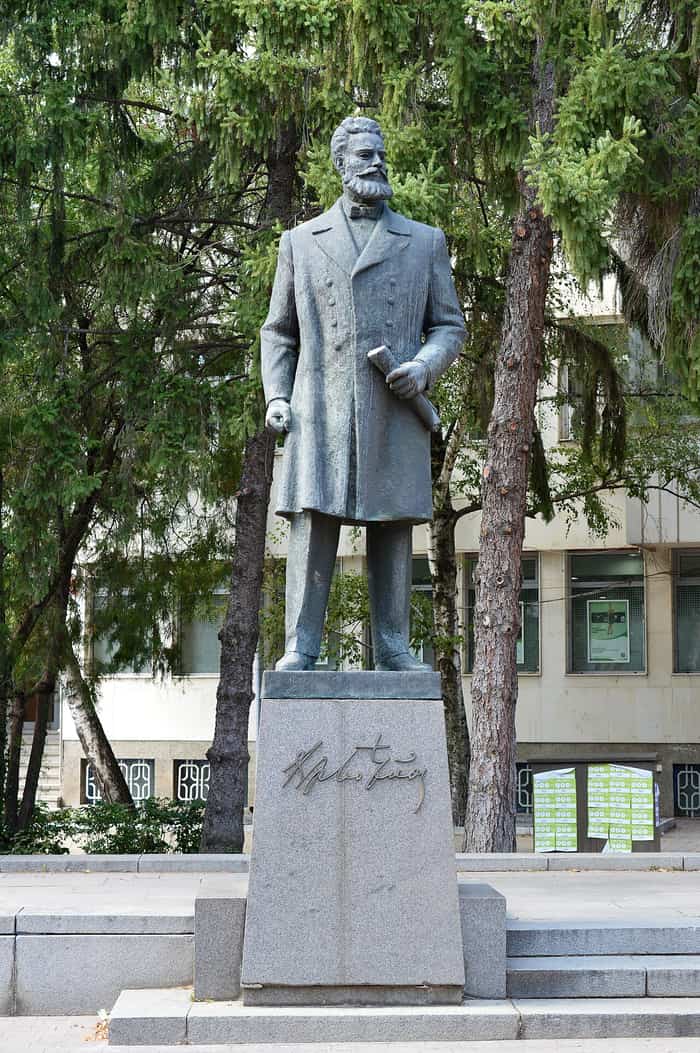
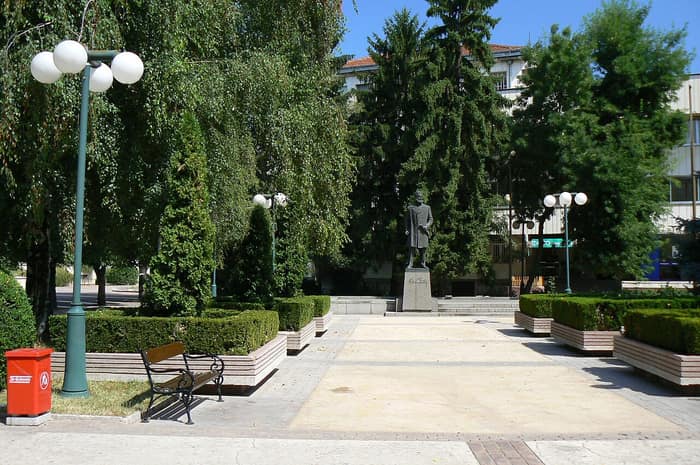
The Hristo Botev Monument stands in the central square of Botevgrad, beside the Town Hall, some 47 km from Sofia. The full-length bronze figure of the poet and revolutionary, the work of the sculptor Ivan Mandov, was unveiled in 1966 and is one of the town's best-known landmarks. It is a short stop, but one with a good story about how a public monument was decided in 1960s Bulgaria.
The town of Botevgrad took the poet's name in 1934, but his statue had to wait: debated in 1960, it was unveiled only in 1966, at the town's centenary.
The history of the Hristo Botev Monument
Botevgrad has carried the poet's name only since 1 December 1934. Until then the town was called Orhanie, a name it had borne since it was raised from the village of Samundzhievo to town status at the end of 1865. The statue in its main square honours the man behind the new name, Hristo Botev (1848–1876), a Bulgarian poet, journalist and revolutionary, born in Kalofer.
Botev gave up poetry for activism in his last years. In 1875 he became president of the Bulgarian Revolutionary Central Committee and, with Stefan Stambolov, published the only book of his verse, regarded as one of the great achievements of Bulgarian literature. In May 1876 he led a band of volunteers across the Danube, its members disguised as gardeners, who seized the Austro-Hungarian steamship Radetzky. On 1 June 1876 (20 May in the old calendar) Botev was shot dead near Vratsa at the age of 28.
The idea of a monument in Botevgrad came from the mayor Ivan Nikolchovski in the late 1950s, and the town council backed it. The sculptor Prof. Ivan Mandov was chosen, and in May 1960 he showed a plaster model at a public meeting in the Town Hall. In the spirit of the time, representatives of the Communist Party, the Fatherland Front, the trade unions and the cooperative farms all spoke. Some suggested placing the monument elsewhere, in Bardtseto, Chekanitsa or Zelin. Mandov replied that with his modest means he could not satisfy every wish, and the matter stayed open until 1966.
It returned to the agenda with the approaching centenary of the town. The local authorities persuaded Mandov to carry out his idea, promising not to interfere with “creative” discussions at local level. The monument was unveiled on 9 October 1966, the town's hundredth anniversary. The head of state Todor Zhivkov, a delegation from the twin city of Saransk and guests from the country and the region attended, and Zhivkov cut the ribbon.
The sculpture shows Botev standing at full height. In his left hand he holds a book scroll, a symbol of his poetic and journalistic work. The figure was cast in bronze at the foundry of the Union of Bulgarian Artists, and the architect Pavel Atanasov designed the pedestal. Copies of the protocols on the acceptance of the project, including the one from May 1960, were laid in the foundations.
Curious facts about the Hristo Botev Monument
- The town was called Orhanie until 1 December 1934, when it was renamed Botevgrad after the poet.
- At the 1960 meeting some locals proposed placing the statue in Bardtseto, Chekanitsa or Zelin instead of the central square.
- The sculptor Ivan Mandov was won over in 1966 only after the town promised not to interfere with his work through local “creative” discussions.
- Copies of the protocols approving the project, including the one from May 1960, lie in the foundations of the monument.
- The scroll in Botev's left hand stands for his poetic and journalistic work.
- The 1966 ceremony was attended by Todor Zhivkov, who cut the ribbon, and by a delegation from Botevgrad's twin city of Saransk.
Tours near Hristo Botev Monument
Experiences in the area that you can book online with Viator:

Half Day Tour around Sofia and the mountains with Thermal Spa
See details ›
ATV Off Road Tour Near Sofia Guided Quad Bike Experience
See details ›
Plovdiv, Asen's Fortress and Bachkovo Monastery small group tour with pickup
See details ›
Full-day Rila Monastery, Stob Pyramids and St Ivan Rilski Cave from Sofia
See details ›Visiting the Hristo Botev Monument: what to expect
- The monument stands in the central square of Botevgrad, next to the Town Hall, so it is easy to include in a short walk through the town.
- Walk around the full-length bronze figure and notice the scroll in the left hand and the pedestal, designed by the architect Pavel Atanasov.
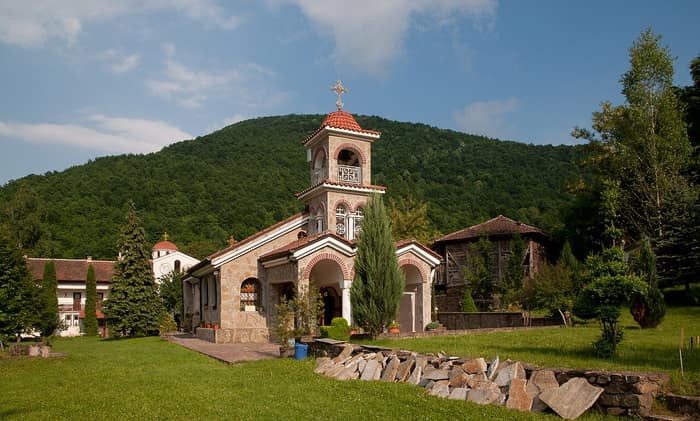
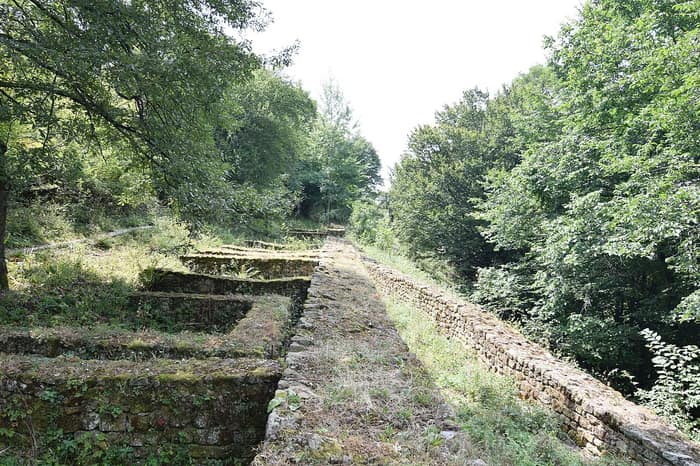
- It is a quick stop rather than a day out, and fits well with other places nearby: Vrachesh Monastery (about 8 km) and Bozhenishki Urvich (about 10 km).
- Botevgrad lies about 47 km from Sofia, which makes it a convenient halt on a trip out of the capital.
Opening hours, access and conditions can change. Check before you go.
Map: where Hristo Botev Monument is
Photos of Hristo Botev Monument

Questions
What is the Hristo Botev Monument in Botevgrad?
It is a bronze statue of the Bulgarian poet and revolutionary Hristo Botev, standing in the central square of Botevgrad next to the Town Hall. It was unveiled on 9 October 1966.
Who made the Hristo Botev Monument?
The sculptor was Prof. Ivan Mandov, and the architect Pavel Atanasov designed the pedestal. The bronze was cast at the foundry of the Union of Bulgarian Artists.
Why is the town called Botevgrad?
It was renamed in 1934 in honour of Hristo Botev. Before that it was called Orhanie.
When was the monument unveiled?
On 9 October 1966, for the 100th anniversary of the town. The ribbon was cut by Todor Zhivkov, then head of state.
Who was Hristo Botev?
Hristo Botev (1848–1876) was a Bulgarian poet, journalist and revolutionary. He led a band of volunteers across the Danube in May 1876 and was killed near Vratsa at the age of 28.
What else is worth seeing near Botevgrad?
Vrachesh Monastery is about 8 km away and Bozhenishki Urvich about 10 km. Glozhene Monastery lies about 32 km away.
Also nearby
Vrachesh Monastery
Botevgrad · active monastery born from a medieval victory
8 km away
Bozhenishki Urvich
Botevgrad · mountain fortress and a medieval stone inscription
10 km away
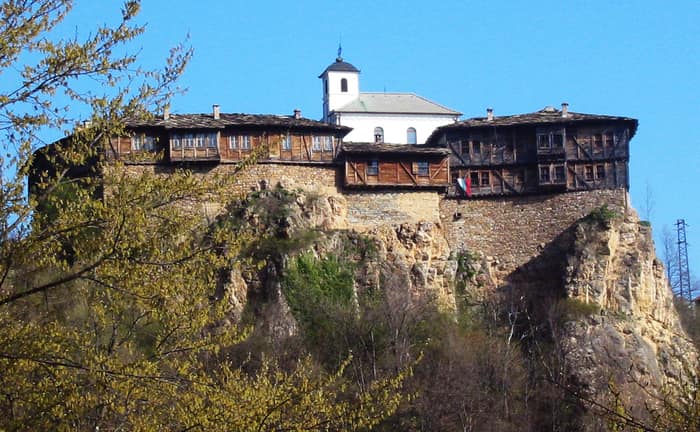
Glozhene Monastery
Teteven · monastery on a rock ledge, once a hideout of Vasil Levski
32 km away
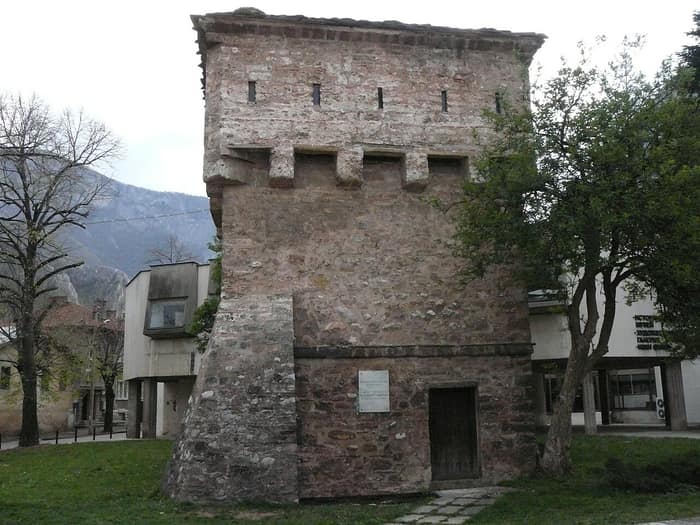
Tower of Kurt Pasha
Vratsa · a 17th-century tower house that looks like a castle
38 km away