The Church of the Holy Trinity in Bansko and Its Revival Art
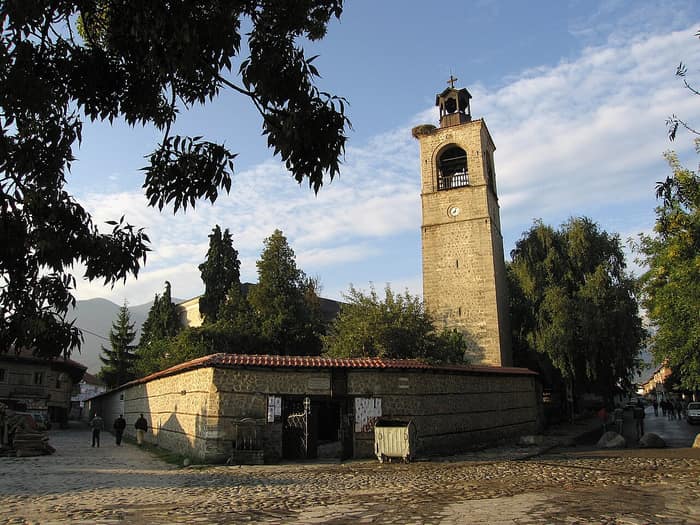
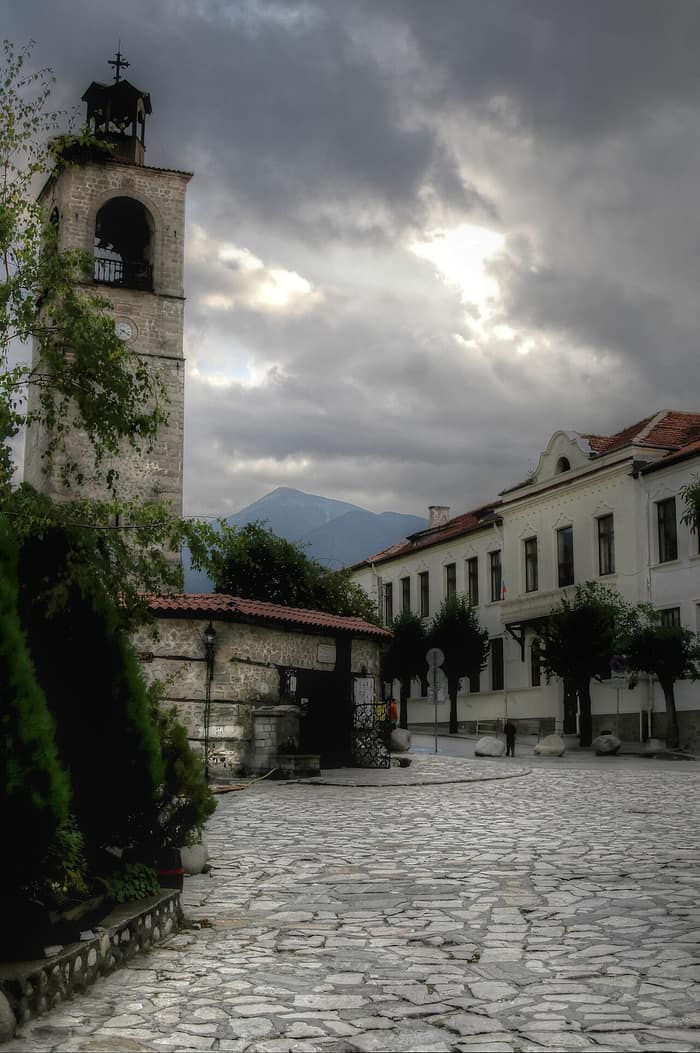
The Church of the Holy Trinity stands in the centre of Bansko and is counted among the finest examples of Bulgarian National Revival church architecture. Built in 1835 by local craftsmen and paid for by hundreds of donors, it looks smaller from outside than it really is. Inside, carved wood and painted icons by the Bansko art school make it a worthwhile stop in the town.
Under Ottoman rule a new church could only rise where an older one had stood. According to the story, Bansko's people buried an icon and a cross in a yard, then built a church of 35 by 22.5 metres.
The history of the Holy Trinity Church in Bansko
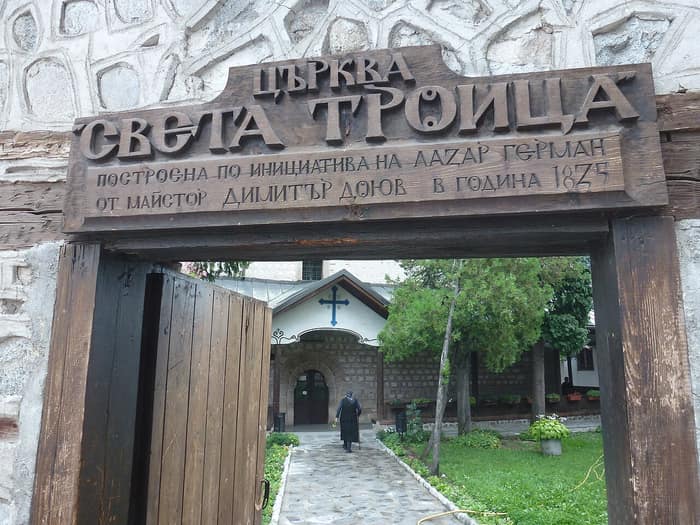
The church was raised in the centre of Bansko in 1835 by local builders, thanks to the shared effort and generosity of the townspeople. Permission to build had been obtained in 1833. At that time the Ottoman authorities allowed churches only on sites where a church had stood before, so, as the story goes, local people buried an icon and a cross in a yard in the middle of the village. The plot was donated. The largest donor was Lazar German, a wealthy man of Bansko and mayor of the Bulgarian community, who directed the construction and handled the difficult negotiations with the Turks, which in the end cost him his life. Another prominent donor, Toma Hadzhibena, gave the land in front of his house. In total the donors numbered 270 families and 1,081 individuals.
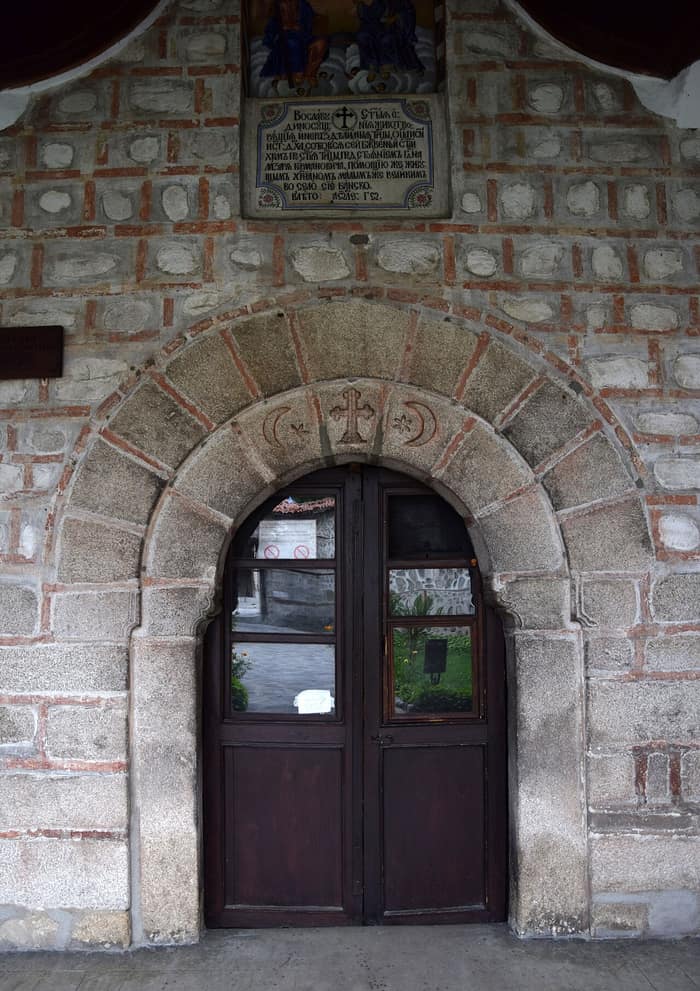
The master builder was Dimitar Doyuv of Bansko, who led some 350 craftsmen: stonemasons, builders and woodcarvers, together with volunteers from the village. The church was finished in 1835. It is a three-nave pseudo-basilica without a dome, with a gabled roof and an arcaded gallery on the west side, measuring 35 metres long and 22.5 metres wide. Its architecture is said to be designed so that the eye takes it for a smaller building than it is. The masonry is monumental and skilfully made, with walls 1.10 metres thick at the base, and the doors, vaults and windows are of dressed stone.
A large stone bell tower was added in 1850 on the northern side of the churchyard and also serves as a clock tower. It fits the church well and plays an important part in the silhouette of the little town. Its master builder was Gligor Blagov Doyuv, a nephew of Dimitar. At the side entrance of the church stands a Revival fountain dated 1842.
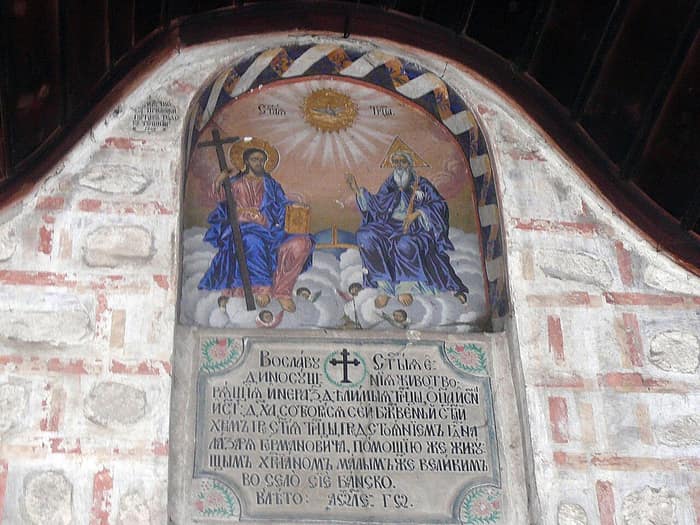
The interior is arranged in the baroque style and has a monumental effect. Carved and painted elements harmonise, transitions are smooth, without right angles, and the wooden coves have complex curved shapes. Tall plastered and painted wooden columns with arcades divide the three naves, and the women's gallery has a wooden lattice of fine interlacing. The woodcarving and painted decoration are the work of Velyan Ognenov of Tresonche, who is also thought to have made the iconostasis and the pulpit. The painter Dimitar Molerov, a leading figure of the Bansko art school, painted the Crucifixion on the great cross of the iconostasis and, in 1839–1841, the eight large royal icons. His son Simeon, his grandson Georgi and the painter Dimitar Sirleshtov also worked here, and the scene of the New Testament Trinity on the outside of the central niche carries a donor inscription of 1864 naming Petar Tushin. Wall paintings were done in the church again in 1957.
Today the church belongs to the Nevrokop diocese of the Bulgarian Orthodox Church and is declared a cultural monument. Bansko was the birthplace of two figures of the Revival, Paisii Hilendarski, author of the Slavonic-Bulgarian History, and Neofit Rilski, and the English Wikipedia calls the church a national symbol of the Revival period.
Curious facts about the Holy Trinity Church in Bansko
- The building is meant to deceive the eye: it looks small from outside, yet it is 35 metres long and 22.5 metres wide.
- To get round the Ottoman rule that churches could only stand where one had stood before, local people are said to have buried an icon and a cross in the yard before building.
- The donors counted 270 families and 1,081 individual people, and about 350 craftsmen and volunteers took part in the building.
- The 1850 bell tower doubles as a clock tower and gives the town its skyline; the fountain at the side entrance is dated 1842.
- Two famous sons of Bansko are linked with the Revival: Paisii Hilendarski, the author of the Slavonic-Bulgarian History, and Neofit Rilski.
- According to the English Wikipedia, on 5 October 1912, during the Balkan War, the voivode Peyo Yavorov addressed the people gathered in the churchyard with the words “Brothers, throw away the fezzes!”.
Tours near Church of the Holy Trinity in Bansko
Experiences in the area that you can book online with Viator:


Visiting the Holy Trinity Church in Bansko
- Look first at the building from the yard: the arcaded gallery on the west side, the gabled roof and the freestanding stone bell tower with its clock.
- Inside, notice the carved iconostasis and pulpit, the high painted columns, the women's gallery with its wooden lattice and the icons of the Bansko art school.
- Do not miss the Revival fountain of 1842 at the side entrance and the outdoor painting of the Trinity on the central niche.
- This is an active church: dress modestly and check the current opening hours and visiting conditions before you go.
- In the area, Rozhen Monastery is about 34 km away and the Kordopulov House about 35 km, both reached by road.
Opening hours, access and conditions can change. Check before you go.
Map: where Church of the Holy Trinity in Bansko is
Photos of Church of the Holy Trinity in Bansko

Questions
What is the Church of the Holy Trinity in Bansko?
It is an Orthodox church in the centre of Bansko, built in 1835. It is one of the finest examples of Bulgarian National Revival church architecture and a protected cultural monument.
When was the Church of the Holy Trinity in Bansko built?
It was built in 1835 by local builders under the master Dimitar Doyuv, after permission was received in 1833. The bell tower was added in 1850.
What is special about the interior?
The interior is baroque in character, with a carved wooden iconostasis and pulpit, tall painted columns and icons by painters of the Bansko art school, including Dimitar Molerov and his family.
How big is the church?
The church is 35 metres long and 22.5 metres wide. It is built so that it looks smaller from outside than it is.
Who paid for the church?
The money came from the town itself: 270 families and 1,081 individual donors contributed, and the largest donor was Lazar German.
What else is worth seeing near Bansko?
Rozhen Monastery is about 34 km away and the Kordopulov House about 35 km. Nicopolis ad Nestum and Heraclea Sintica lie 37 and 47 km away.
Also nearby
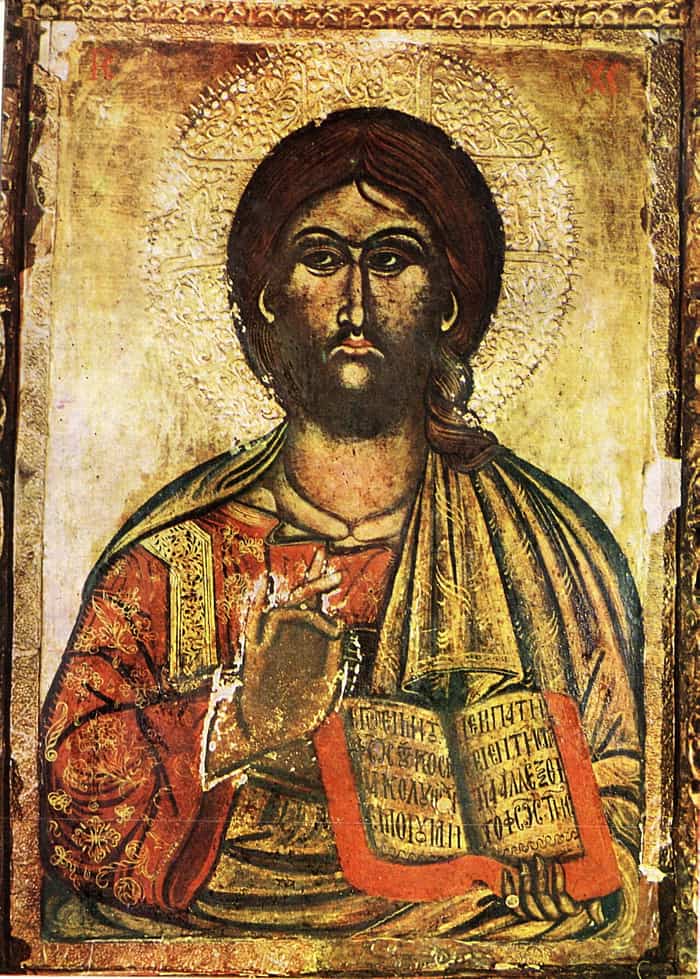
Rozhen Monastery
Melnik · Pirin's largest monastery, frescoes and sacred icon
34 km away
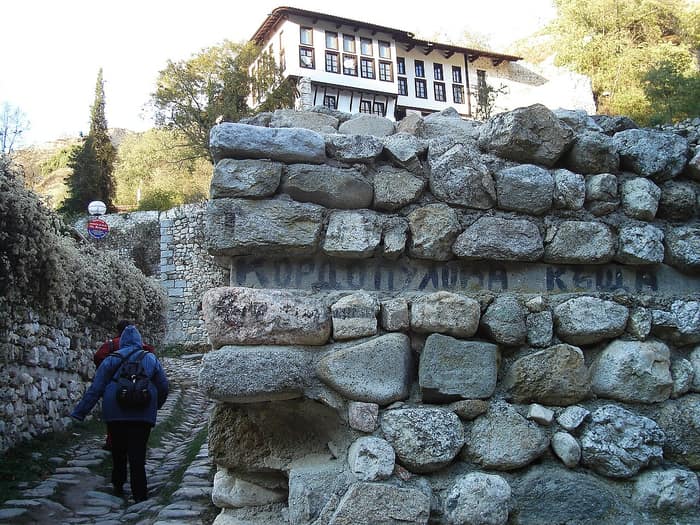
Kordopulov House
Melnik · 1754 wine mansion with a cellar cut into the rock
35 km away

Nicopolis ad Nestum
Garmen · Roman walls, baths and mosaics by the Mesta
37 km away
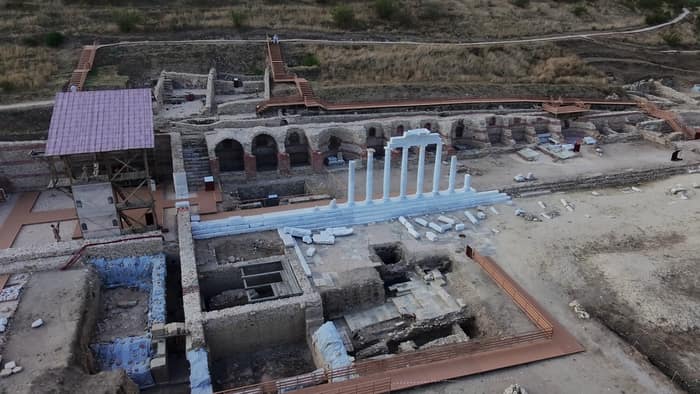
Heraclea Sintica
Rupite · ancient city located thanks to a chance inscription
47 km away