The Amphitheatre of Serdica, a Roman Arena in Central Sofia
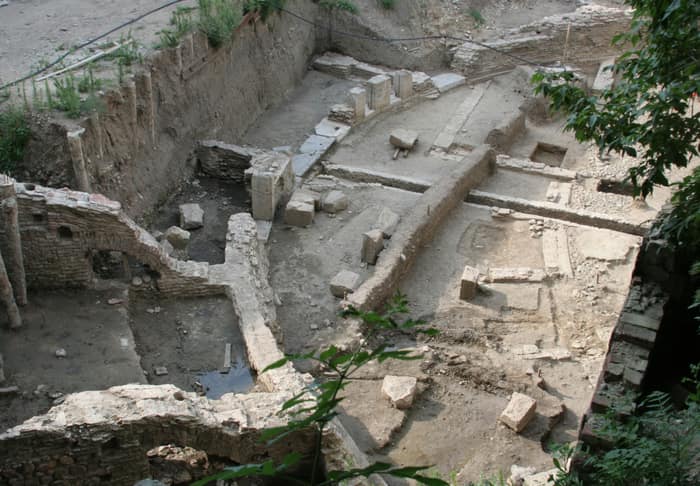
The Amphitheatre of Serdica was a Roman arena in the ancient city of Ulpia Serdica, today's Sofia, built in the late 3rd and early 4th century. It was among the largest in the eastern Roman Empire and the largest in what is now Bulgaria. Its ruins lie in the city centre, and part of them can be seen inside a modern building.
Builders digging a hotel in central Sofia in 2004 broke into a Roman arena built for up to 25,000 spectators. Beneath it lay an older theatre that Goths had burned.
The history of the Amphitheatre of Serdica
Before the arena there was a theatre. In the Roman city of Ulpia Serdica, today's Sofia, a theatre about 55 metres wide was built outside the walls in the 2nd or 3rd century, perhaps at the same time as the city's defensive walls under Commodus. It was in use under Septimius Severus and Caracalla. A Gothic raid in the second half of the 3rd century burned the unprotected building, and it was abandoned for good.
The amphitheatre rose on top of its ruins in two stages, in the late 3rd and early 4th century, under the emperors Diocletian and Constantine the Great. Coins and pottery, including a rare bronze medallion of Antinous, support this dating, and coins found in the mortar suggest that it was enlarged and repaired around 324–330. Its oval arena measured 60.5 by 43 metres, and the building was designed for between 20,000 and 25,000 spectators. It stood outside the city walls, about 300 metres from the eastern gate, and it was used for fights between gladiators and wild beasts.
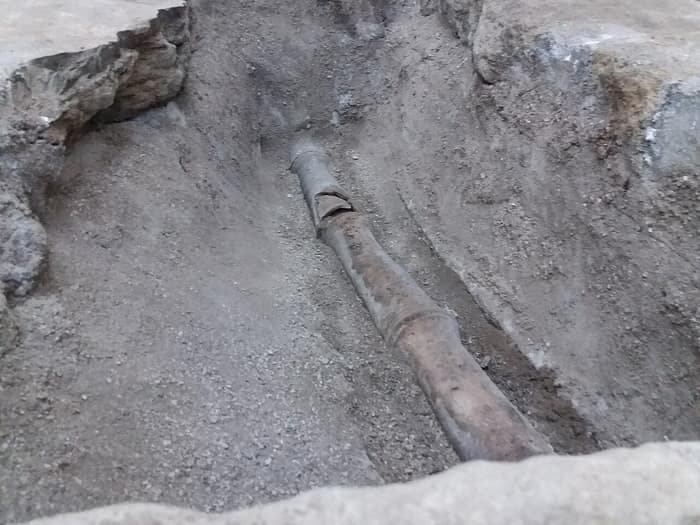
The excavations revealed a carefully planned building. Two main gates, one to the west and one to the east, were joined by an underground water channel. The western gate was 3.5 metres wide and is estimated to have been topped by an arch about five metres high. A stand for high-ranking officials lay in the southern part, and gates with sliding doors let animals into the arena. Parts of the walls were built in the opus mixtum technique, which combines stone and brick. Among the finds are bear and boar bones, hundreds of bronze coins and clay bricks marked with the footprints of goats, dogs and cats.
The arena's working life was short, less than a century. It had been abandoned by the 5th century, perhaps because of the anti-pagan policy of Theodosius I towards the old cults and games. In the 5th and 6th centuries newcomers built their homes inside the former arena, and the surviving walls later served as a seasonal camp for Byzantine troops and as storage and shelter. In Ottoman times the ruins were mined for building stone.
A clue had surfaced in 1919, when a stone plate showing an amphitheatre façade and fights between gladiators and wild animals, including crocodiles, bears, bulls and wild cats, was found near today's Council of Ministers building. The arena itself was found only by chance in April 2004, during the early construction of a hotel. Excavations followed in 2005 and 2006. The eastern entrance and the section within the hotel plot, about a sixth of the whole building, were preserved and built into the hotel's ground floor. Further parts, including the western entrance, were uncovered on a neighbouring plot, and a campaign began to stop the planned new building on that site.
Curious facts about the Amphitheatre of Serdica
- The arena was found by accident in 2004, when work began on a hotel in the city centre.
- Excavators found an older Roman theatre about five metres beneath the amphitheatre.
- A stone plate found in 1919 shows crocodiles, bears, bulls and wild cats fighting; it is thought to have advertised the games at the entrance of the city.
- Clay bricks from the site bear the footprints of goats, dogs and cats that walked across them while they were still soft.
- A rare bronze medallion of Antinous found at the site helped scholars date the amphitheatre.
- Part of the arena is now built into the ground floor of a modern hotel, so travellers can see Roman walls indoors.
Tours near Amphitheatre of Serdica
Experiences in the area that you can book online with Viator:

Half Day Tour around Sofia and the mountains with Thermal Spa
See details ›
ATV Off Road Tour Near Sofia Guided Quad Bike Experience
See details ›
Plovdiv, Asen's Fortress and Bachkovo Monastery small group tour with pickup
See details ›
Full-day Rila Monastery, Stob Pyramids and St Ivan Rilski Cave from Sofia
See details ›Visiting the Amphitheatre of Serdica: what to expect
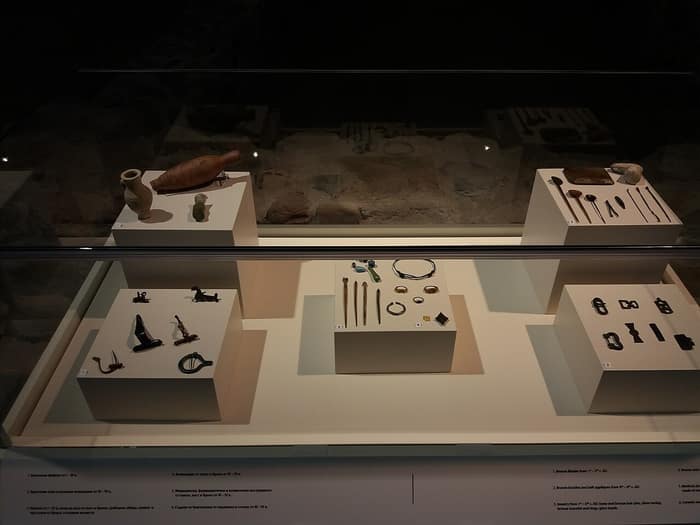
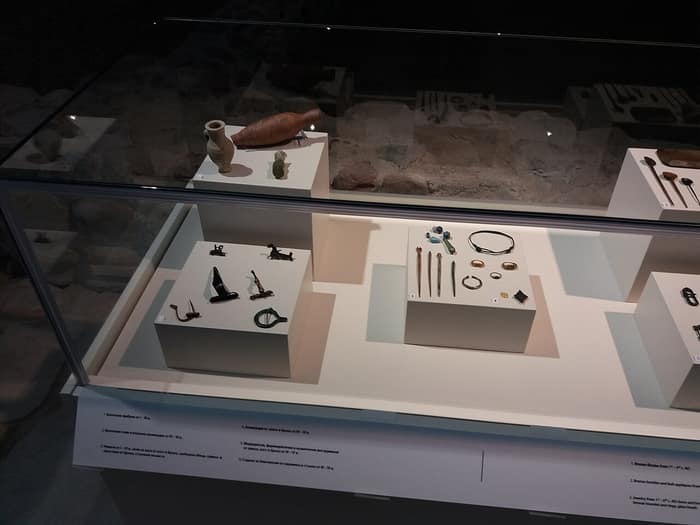
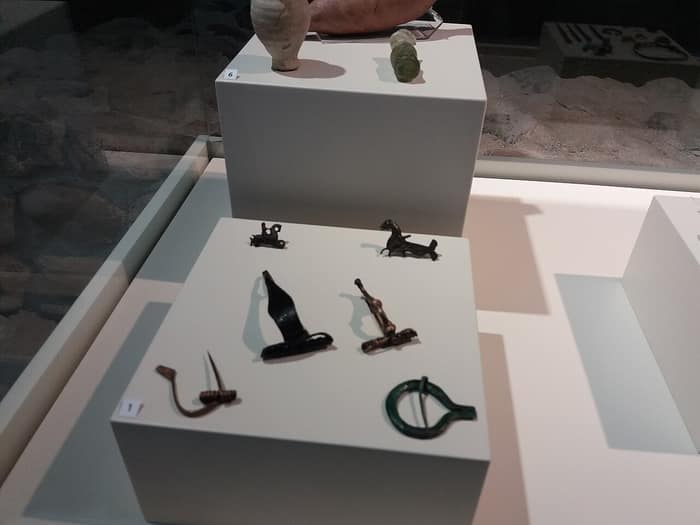
- The preserved eastern entrance and the section of the arena within the hotel plot can be seen in the building's ground floor, where a small display of coins and pottery from the dig is shown.
- The ruins lie south of Knyaz Aleksandar Dondukov Boulevard, between the Goethe-Institut and the British embassy, a short walk from the other sights of central Sofia.
- Look for the arena entrance, the underground level, part of the seating and the gates through which animals were let in.
- Access conditions at this kind of site can change, so check the current opening hours and visiting conditions before you go.
- The Saint George Rotunda, the Saint Sophia Church, the Monument to the Unknown Soldier and the Georgi Dimitrov Mausoleum are all within a very short distance.
Opening hours, access and conditions can change. Check before you go.
Map: where Amphitheatre of Serdica is
Photos of Amphitheatre of Serdica

Questions
What is the Amphitheatre of Serdica?
It is the ruin of a Roman arena in the ancient city of Ulpia Serdica, now Sofia. Built in the late 3rd and early 4th century, it held fights between gladiators and wild animals.
Where is the Amphitheatre of Serdica?
It lies in the centre of Sofia, south of Knyaz Aleksandar Dondukov Boulevard, between the Goethe-Institut and the British embassy.
How big was the Amphitheatre of Serdica?
The arena measured 60.5 by 43 metres, and the building could take between 20,000 and 25,000 spectators. It was the largest Roman amphitheatre in what is now Bulgaria.
How was the Amphitheatre of Serdica discovered?
It was found by chance in April 2004 during the early construction of a hotel. Excavations followed in 2005 and 2006, and a stone plate found in 1919 had already hinted at an amphitheatre.
Was there a theatre before the amphitheatre?
Yes. An older Roman theatre about 55 metres wide stood on the site, was burned in a Gothic raid in the 3rd century, and lies about five metres beneath the amphitheatre ruins.
What else is worth seeing near the Amphitheatre of Serdica?
The Saint George Rotunda, the Saint Sophia Church, the Monument to the Unknown Soldier and the Georgi Dimitrov Mausoleum are all close by in central Sofia.
Also nearby
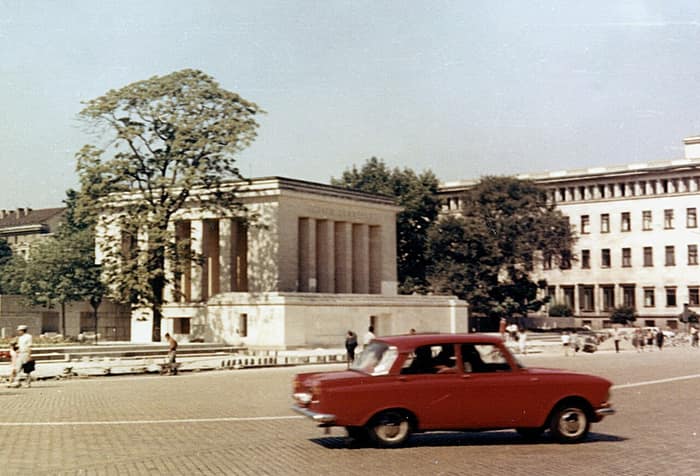
Georgi Dimitrov Mausoleum
Sofia · communist-era tomb built in six days, demolished in 1999
250 m away
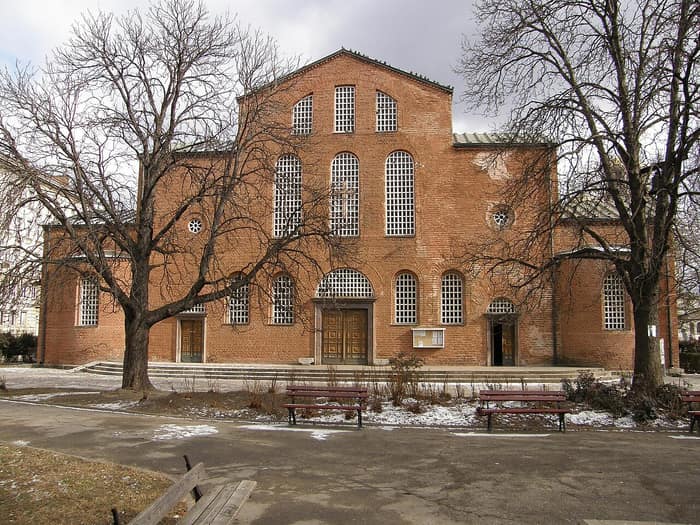
Saint Sophia Church
Sofia · early Christian basilica above a Roman necropolis
250 m away
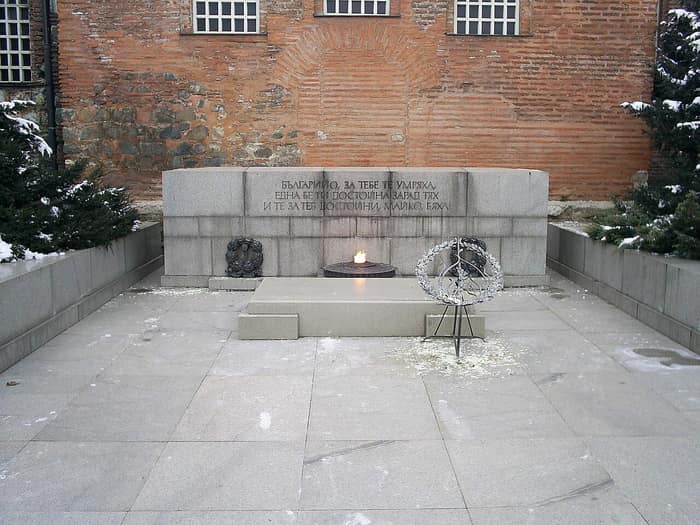
Monument to the Unknown Soldier
Sofia · eternal flame and a bronze lion that was lost for years
250 m away
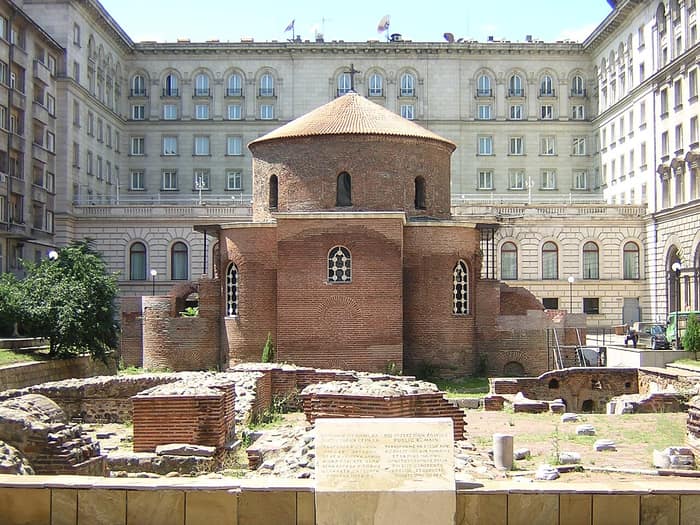
Saint George Rotunda Church
Sofia · Roman rotunda with layers of medieval frescoes
450 m away